Why Stopping Drug Addiction Requires More Than Willpower
Many people grow up hearing that stopping drug use should be as simple as making a firm decision and sticking to it. This belief can feel reassuring from the outside because it makes addiction seem like a matter of personal choice. Yet for individuals who are caught in the struggle, or for families trying to understand why a loved one cannot stop, this idea often leads to frustration, fear, or guilt. When someone tries to quit and cannot, they may end up believing they lack strength or discipline, even though they are facing something much more complex. Addiction involves changes in the brain, deep emotional patterns, and environmental pressures that most people never see. Recognizing that addiction is not a test of willpower can relieve a great deal of shame and open the door for people to seek the support they deserve.
Addiction Is Not a Simple Choice Problem
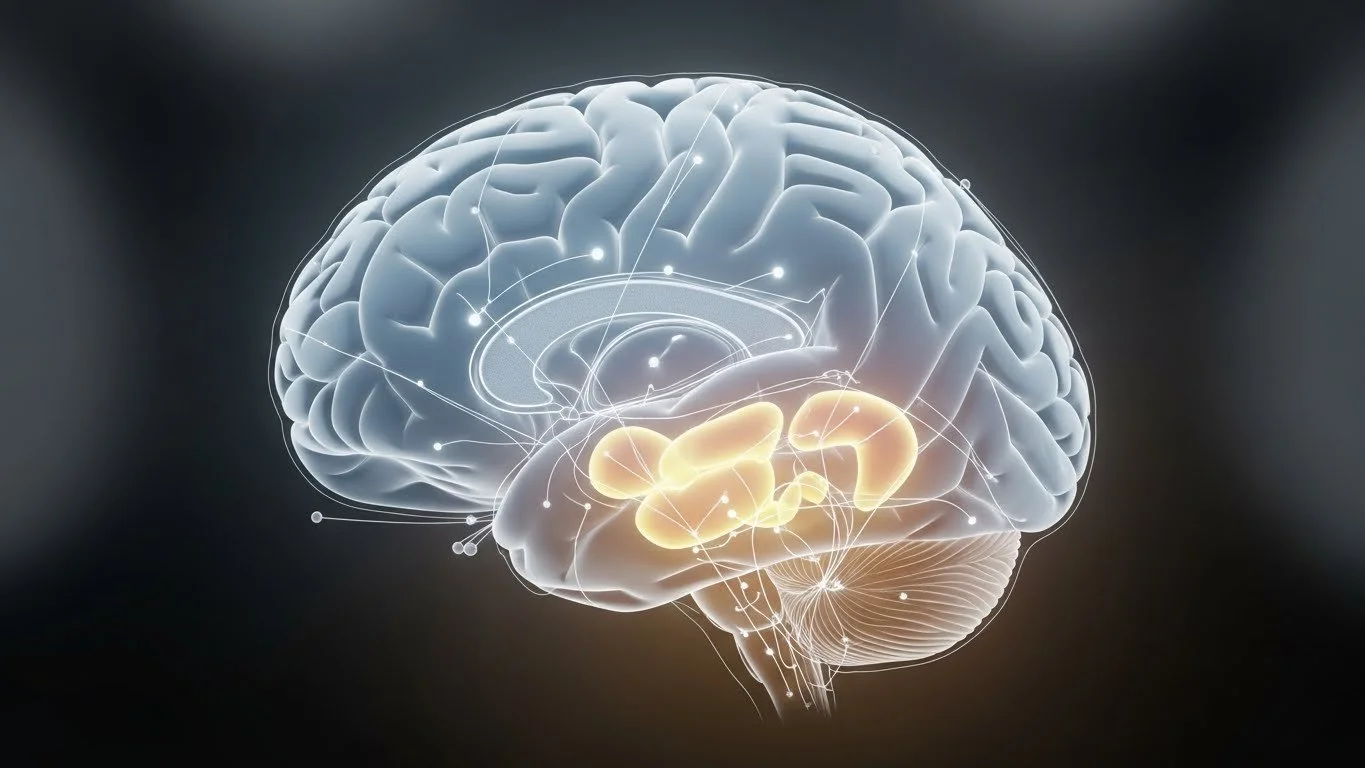
Addiction affects core areas of the brain that control judgment, reward, and impulse regulation. Neuroimaging studies show that repeated exposure to substances reshapes pathways involved in motivation and decision making, which means the person is not choosing in the same way they might choose what to eat for lunch or when to go for a walk (Volkow et al., 2016). Many individuals describe feeling as if their brain is working against their best intentions. They can want to stop while simultaneously feeling compelled to use again, which creates an internal tug of war that feels exhausting and confusing.
Tolerance and dependence deepen this struggle. As the body becomes used to the substance, a person needs more to achieve the same effect. Dependence forms when the brain and body adjust so fully that withdrawal begins the moment the substance fades. Research shows that more than 70 percent of individuals with opioid addiction experience withdrawal symptoms that interfere with daily functioning, which explains why quitting suddenly can feel nearly impossible without medical support (Kreek et al., 2019). One young man described trying to quit opioids on his own several times. He said the physical symptoms felt unbearable, not because he lacked motivation, but because his body felt as if it had forgotten how to operate without the drug. This experience reflects a reality that determination alone cannot overcome.
Biological and Psychological Factors That Influence Addiction
The brain’s reward system plays a central role in addiction. Substances trigger dopamine releases that are far more powerful than those created by natural rewards such as food, relationships, or accomplishments. Over time, the brain adapts by reducing its sensitivity to dopamine, which means everyday experiences begin to feel dull or empty, and the substance becomes the most reliable source of relief or pleasure (Koob & Volkow, 2016). People often do not realize this shift has happened until they notice that life feels flat without the drug.
Stress also increases vulnerability. Chronic stress alters the body’s hormone levels and makes it harder to regulate emotion, which can push people toward substances as a coping mechanism. Studies show that individuals exposed to consistent stressors have significantly higher rates of substance use disorders, sometimes double those of people with stable and predictable environments (Sinha, 2008). Mental health conditions increase risk as well. Nearly half of individuals with addiction also have a co-occurring disorder such as anxiety, depression, or PTSD (National Institute on Drug Abuse, 2020). When someone is living with emotional pain and lacks effective support, substances can become a temporary escape that soon turns into dependence.
Genetics also plays an important role. Family studies show that inherited traits account for between 40 and 60 percent of a person’s susceptibility to addiction (Goldman et al., 2005). For many people, this means they may be more sensitive to the effects of substances or more likely to rely on them during periods of stress. None of these biological or psychological factors reflect a lack of strength. They reflect the way the brain and body respond to substances and stress over time.
Environmental and Social Factors
A person’s environment shapes their risk in countless ways. Growing up in a home where substance use is present can normalize the behavior and increase the likelihood of early use, especially during adolescence when the brain is still developing. Research shows that young people exposed to parental substance use are significantly more likely to begin using drugs before age 15, setting the stage for more serious problems later in life (Kelley et al., 2015). Early exposure is not destiny, but it does create vulnerabilities that many people must work hard to overcome.
Relationships are another powerful influence. Supportive, stable connections can protect people from turning to substances, while relationships filled with conflict, instability, or emotional distance can make recovery feel harder. Trauma is a significant factor as well. About two thirds of individuals in treatment for addiction report a history of trauma, often involving physical, emotional, or sexual harm (Simpson & Miller, 2002). Trauma can disrupt normal coping mechanisms, leaving people more likely to seek relief through substances when emotional pain becomes overwhelming.
Access plays a role too. When drugs are easy to obtain, quitting becomes much more challenging. Cultural stigma also creates pressure. Many individuals hide their struggles because they fear being judged or misunderstood. Shame can delay treatment for months or even years, worsening the addiction and making recovery more complicated. When people feel safe to speak openly, they are more likely to reach out for help.
Why Willpower Alone Often Fails

Withdrawal is one of the biggest barriers to recovery. The symptoms can range from uncomfortable to severe, including nausea, intense sweating, shaking, anxiety, and deep sadness. These symptoms can last for days or weeks depending on the substance, and they make it extremely difficult for a person to stay committed to quitting. In many cases, the individual returns to use simply to stop the pain rather than to experience any pleasurable effect.
Cravings also reflect real neurological changes. Research shows that even long after a person stops using, certain cues like specific places, people, or emotions can activate brain regions associated with craving and reward (Garavan et al., 2000). These cravings can feel overwhelming, especially when the brain’s impulse control system has been weakened by long term substance use.
Emotional overwhelm is another challenge. Many people feel alone, scared, or ashamed when they try to quit. Without structure or support, these emotions can become too heavy to manage, and willpower fades quickly. The idea that quitting should be simple prevents people from understanding why they relapse and keeps them from seeking the help that could change everything.
What Actually Helps People Stop Drug Addiction

Recovery becomes more achievable when people have access to evidence based care. Counseling and behavioral therapies help individuals understand why they use, how their thoughts and emotions affect their behavior, and what strategies they can use to cope in healthier ways. These therapies offer practical tools that strengthen resilience and reduce the risk of returning to use.
Medication can support recovery when appropriate. Medications for opioid addiction, for example, help reduce cravings and stabilize brain chemistry. People receiving medication assisted treatment have a significantly lower risk of overdose and greater chances of long term recovery. One large study found that these medications cut overdose deaths by more than half (Sordo et al., 2017).
Peer support is also powerful. Many individuals describe feeling understood for the first time when they join a recovery group. Hearing real stories from others who have walked the same path helps reduce shame and increases motivation. Building healthy routines, daily structure, and life skills provides a strong foundation that supports ongoing recovery, even during stressful times.
The Importance of Professional Treatment
Professional treatment programs offer a level of care that is difficult to create alone. Entering treatment provides a structured environment where individuals can receive medical care, therapy, and consistent support. A professional team can help manage withdrawal safely, address underlying mental health conditions, and teach practical skills for navigating daily life without substances.
Research consistently shows that people who participate in structured treatment have better long term outcomes than those who try to quit on their own. One study found that individuals who engaged in treatment were significantly more likely to remain abstinent one year later compared with those who attempted recovery without professional support (Hubbard et al., 2003). Treatment is not about judgment or punishment. It is about giving the brain and body the conditions they need to heal.
How Loved Ones Can Support Without Blame
Families often want to help but may feel unsure about the right approach. The most meaningful support begins with understanding that addiction is a health condition shaped by many factors. When loved ones recognize this, conversations become more compassionate and less focused on blame.
Healthy boundaries help both the individual and the family. These boundaries protect well being while still offering connection and support. Encouraging a professional assessment, suggesting treatment, or offering to help with logistics such as appointments can provide a gentle nudge toward healthier choices. Reducing shame is key because shame often fuels addiction. When individuals feel accepted and supported, they are more likely to open up and consider treatment.
A Realistic Path Toward Change
Recovery rarely unfolds in a straight line. It often involves progress, setbacks, learning, and steady adjustment. This does not mean a person has failed. It means they are human. People succeed in recovery not because they suddenly become stronger, but because they receive support, build new skills, and create environments that help them thrive.
Combining approaches such as therapy, medication when needed, supportive relationships, stable routines, and healthy habits creates the best chance for long term success. When someone understands that they do not have to face addiction alone, they are much more likely to believe in their ability to heal and grow.
Addiction is a complex condition that affects the brain, emotions, and environment. It cannot be overcome through willpower alone. While motivation matters, it is only one part of a larger set of tools that truly support recovery. Professional treatment provides the structure and guidance needed to help people rebuild their lives.
If you or someone you care about is struggling, reaching out for help is a meaningful and courageous step. The Recovery Hub is here to offer compassionate support, evidence based resources, and guidance toward a healthier and more hopeful future.
References
Garavan, H., Pankiewicz, J., Bloom, A., Cho, J., Sperry, L., Ross, T., … & Stein, E. A. (2000). Cue induced cocaine craving: Neuroanatomical specificity for drug users and drug stimuli. American Journal of Psychiatry, 157(11), 1789 to 1798.
Goldman, D., Oroszi, G., & Ducci, F. (2005). The genetics of addictions: Uncovering the genes. Nature Reviews Genetics, 6(7), 521 to 532.
Hubbard, R. L., Craddock, S. G., & Anderson, J. (2003). Overview of 5 year followup outcomes in the drug abuse treatment outcome studies. Journal of Substance Abuse Treatment, 25(3), 125 to 134.
Kelley, M. L., Bountress, K. E., & Neale, Z. E. (2015). Parental substance use as a predictor of adolescent substance use. Addictive Behaviors, 50, 1 to 6.
Koob, G. F., & Volkow, N. D. (2016). Neurobiology of addiction: A neurocircuitry analysis. The Lancet Psychiatry, 3(8), 760 to 773.
Kreek, M. J., Levran, O., Reed, B., Schlussman, S. D., Zhou, Y., & Butelman, E. R. (2019). Opiate addiction and withdrawal. Neuropharmacology, 76, 235 to 247.
National Institute on Drug Abuse. (2020). Comorbidity: Substance use disorders and other mental illnesses. National Institutes of Health.
Simpson, T. L., & Miller, W. R. (2002). Concomitance between childhood sexual and physical abuse and substance use problems. Clinical Psychology Review, 22(1), 27 to 77.
Sinha, R. (2008). Chronic stress, drug use, and vulnerability to addiction. Annals of the New York Academy of Sciences, 1141, 105 to 130.
Sordo, L., Barrio, G., Bravo, M. J., Indave, B. I., Degenhardt, L., Wiessing, L., … & Pastor Barriuso, R. (2017). Mortality risk during and after opioid substitution treatment. BMJ, 357, j1550.
Volkow, N. D., Koob, G. F., & McLellan, A. T. (2016). Neurobiologic advances from the brain disease model of addiction. New England Journal of Medicine, 374(4), 363 to 371.